Complete Guide to Causes and Solutions for Mold on Plants
2025/06/02
Have you ever noticed mold growing on your indoor plants? Mold not only spoils their appearance but also affects their overall health and vitality.
This article thoroughly explains the types of mold that grow on plants, their causes, how to prevent them, and how to deal with outbreaks. You'll also learn about indoor environment management and selecting mold-resistant plants.
By understanding mold on plants, you can prevent its occurrence and grow healthier plants. Learning proper responses can also prolong plant life and improve your living space.
1. Basic Knowledge of Mold on Plants
1-1. What is Mold? How It Affects Plants
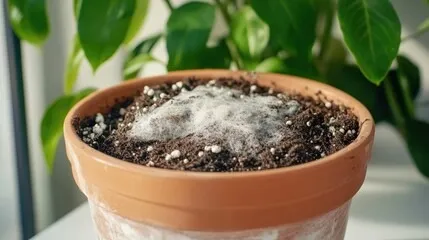
Mold is a type of fungus that thrives in environments with moisture, warmth, and organic material. In plant environments, mold spores can settle and rapidly multiply, particularly on soil, leaves, or dead plant matter. It typically appears as white fuzz or black spots and can easily go unnoticed until it spreads. Mold interferes with photosynthesis by covering leaves and can penetrate plant tissues, inhibiting growth and even causing root rot. If left untreated, mold can eventually kill the plant. Early detection and action are crucial to prevent long-term damage.
1-2. Types and Features of Mold on Plants
Several types of mold commonly affect plants, each with unique traits and symptoms. Gray mold (Botrytis cinerea) causes gray, fuzzy growth on leaves, flowers, and stems, leading to decay. Powdery mildew appears as white, floury patches that block sunlight and hinder growth. Sooty mold is a black mold that feeds on the sugary secretions of pests like aphids and covers leaves, disrupting photosynthesis. All of these molds thrive in humid, poorly ventilated conditions. Knowing the specific type helps in applying the correct treatment and preventive measures.
2. Causes of Mold
2-1. Environmental Factors: Humidity, Temperature, Airflow
Mold thrives in environments where humidity is high, temperatures are moderate to warm, and airflow is poor. In Japan, the rainy season and summer months often create ideal conditions for mold growth, with indoor humidity exceeding 70%. Mold becomes particularly active at around 25°C (77°F), and stagnant air allows spores to settle and multiply easily. In indoor spaces, plants placed close together or in rooms with limited ventilation are especially vulnerable. Improving airflow and controlling humidity are essential strategies for preventing mold in these conditions.
2-2. Care Factors: Watering, Fertilizer, Soil Condition
Improper plant care is another major factor behind mold growth. Overwatering is the most common mistake, leading to persistently damp soil—an ideal breeding ground for mold. Letting water sit in the saucer also increases humidity around the roots. Excessive fertilizer use can disrupt soil balance and feed mold or other microorganisms. Additionally, using old, compacted, or poorly draining soil can exacerbate moisture retention and make mold outbreaks more likely. Regularly replacing soil and ensuring proper drainage with materials like pumice stones can help create a healthier root environment.
3. How to Prevent Mold
3-1. Proper Watering and Ensuring Airflow
Watering is essential for plant health, but overwatering is one of the leading causes of mold. The golden rule is to water only after the soil surface has dried out. Constantly damp soil encourages mold growth and root rot. Always empty the water collected in the saucer to prevent trapped moisture. Good airflow is also vital—open windows periodically or use fans or air circulators to keep air moving. Avoid placing plants too close together, as it hinders airflow and creates pockets of trapped humidity that mold thrives in.
3-2. Soil Selection and Management
Choosing the right soil is crucial in mold prevention. Commercial potting soils for indoor plants often contain well-draining, airy materials to reduce the risk of mold. Adding pumice or gravel to the bottom of the pot helps prevent water from accumulating, reducing root dampness. To discourage surface mold, you can top the soil with materials like akadama or zeolite, which dry quickly. Old soil can become mold-prone and nutrient-imbalanced, so it should be replaced regularly. Maintaining clean, breathable soil conditions helps protect both plant roots and indoor air quality.
4. What to Do When Mold Occurs
4-1. Mold Removal Techniques and Precautions
If you discover mold on your plant, it’s important to act quickly. For mild surface mold, wiping it off with a tissue or soft cloth may be enough. Afterward, apply a diluted alcohol spray or a plant-safe fungicide to prevent regrowth. Always test the product on a small area first to ensure it won’t harm the plant. If mold has spread to the roots or soil, it’s best to replace all the soil and thoroughly clean the pot. Replant using fresh, sterile soil. Avoid touching other plants after handling moldy ones, and always wash your hands or use gloves to prevent spreading spores.
4-2. Measures to Prevent Recurrence
After removing mold, it’s essential to address the root causes to prevent recurrence. First, reconsider the plant’s location—choose a bright spot with good airflow, but not direct sunlight. Adjust watering habits, giving water only when the soil is dry. Consider using preventative sprays, such as baking soda solutions or wood vinegar. Also, thoroughly wash and disinfect any tools or pots that came into contact with mold. Maintaining a clean and well-ventilated environment will go a long way in keeping your plants mold-free over the long term.

5. Impact of Mold on Plants
5-1. Effects on Growth and Symptoms
When mold grows on plants, one of the earliest signs is slowed growth. Mold covering the leaf surface interferes with photosynthesis by blocking sunlight, reducing the plant's energy production. Gray mold and powdery mildew are particularly damaging—they cause leaves to wilt, discolor, and die off. If mold reaches the roots, it disrupts water and nutrient absorption, resulting in yellowing leaves, limp stems, and in severe cases, plant death. Some mold types even penetrate plant cells, weakening the plant's immunity. Prompt identification and response are essential to minimize long-term harm.
5-2. Risk of Spreading to Other Plants
Mold spores are lightweight and easily carried by wind or human contact, making cross-contamination a major concern. A single infected plant can quickly lead to widespread mold issues, especially if plants are clustered together indoors or in greenhouses. Sooty mold, for example, spreads through pest secretions and can blanket surrounding plants. If mold is detected, immediately isolate the affected plant and treat surrounding plants preventively. This containment approach helps stop the infection cycle and protects your entire indoor garden from further damage.
6. Indoor Mold Prevention
6-1. Improving Indoor Environment
When growing plants indoors, managing humidity, airflow, and lighting is crucial for mold prevention. Use a dehumidifier or air conditioner’s dry mode during humid seasons to keep indoor humidity below 60–70%. Also, promote air circulation by opening windows regularly or using a fan or air circulator. This prevents moisture from accumulating around the plants. Adequate light is just as important—place plants near a bright window or use a grow light to ensure they receive enough light. Insufficient light slows evaporation, increasing the risk of mold.
6-2. Simple At-Home Measures
You can take simple, effective steps to combat mold at home. For example, placing an absorbent mat under the pots helps reduce moisture buildup on the floor. Sprinkling baking soda or activated charcoal on the soil surface can help absorb excess moisture and inhibit mold growth. Natural sprays like diluted wood vinegar or essential oils (e.g., tea tree or eucalyptus) also have antifungal properties and are safe for both plants and humans. Used tea bags—especially chamomile, known for its antibacterial effects—can be dried and placed on the soil as a gentle, natural deterrent. These eco-friendly methods are ideal for families with children or pets.
7. Useful Items for Mold Control
7-1. Store-Bought Mold Sprays and How to Use Them
Commercial mold control sprays designed for plants contain antifungal ingredients that help prevent and treat mold outbreaks. Most come in spray bottles, making them easy to apply directly to soil or foliage. It's important to apply these products during times when the plant isn't exposed to direct sunlight, as some sprays can cause leaf burn when combined with UV rays. Choose a product formulated for your specific plant type, such as sprays for houseplants or roses. Common active ingredients include benzimidazole compounds or copper-based agents, which are effective but should be used with care. Always read and follow the label instructions to avoid stressing your plant.
7-2. Natural Alternatives for Mold Prevention
For those who prefer eco-friendly methods, several natural materials can help keep mold away. Baking soda is a popular option—mix 1 teaspoon of baking soda with 500ml of water and spray it on leaves and soil. Its alkalinity creates an environment where mold struggles to thrive. Wood vinegar is another effective choice, offering antibacterial and antifungal properties without harming plants. Activated charcoal or bamboo charcoal placed on or under the soil absorbs excess moisture and purifies the surrounding air. These natural solutions are especially suitable for households with children or pets, providing a safe, chemical-free option for mold prevention.
8. Choosing Plants Resistant to Mold
8-1. Characteristics of Mold-Resistant Plants
Plants that resist mold tend to share several traits. First, species with thick, glossy leaves are less likely to retain moisture on their surface, making it harder for mold spores to take hold. Succulents and cacti, which naturally thrive in dry environments, are particularly mold-resistant due to their minimal water needs. Plants with strong root systems and a preference for well-draining soil are also better at avoiding damp conditions that promote mold. Many species native to semi-arid or shaded environments are adapted to fluctuating humidity levels and are better suited for indoor cultivation in mold-prone areas.
8-2. Recommended Plants for Beginners
For beginners seeking easy-care, mold-resistant plants, Sansevieria (Snake Plant) is an excellent choice. It requires minimal watering and thrives in dry indoor conditions, significantly reducing mold risks. Pothos is another beginner-friendly option—robust, adaptable, and forgiving of occasional neglect, it tolerates low light and resists mold well. Succulent varieties like Aloe or Echeveria are also great for dry indoor environments. Even some ferns, such as Nephrolepis and Adiantum, can resist mold if provided with good airflow and appropriate moisture control. These plants not only survive challenging conditions but also add aesthetic value to your home.
9. Seasonal Mold Measures
9-1. Tips During the Rainy Season
Japan’s rainy season is the peak time for mold due to consistently high humidity. Continuous rain and muggy air can raise indoor humidity above 70%, creating perfect conditions for mold spores to germinate. To combat this, use a dehumidifier or air conditioner’s dry mode to reduce humidity. Improve air circulation with a fan or by opening windows. Reduce watering frequency—since sunlight is limited during this season, evaporation slows, and soil stays damp longer. Be especially attentive to saucers and surface mold. Scoop off any visible mold and adjust your care routine for the season.
9-2. Wintertime Care Strategies
While winter may seem safer due to lower outdoor humidity, indoor conditions can still foster mold—especially when heaters and humidifiers are in use and ventilation is limited. Additionally, plants absorb water more slowly in cold weather, causing soil to stay moist for longer periods. To manage this, avoid over-humidifying the room and keep indoor humidity under control. Water plants during the warmer parts of the day so the soil isn’t wet overnight. Open windows occasionally to refresh the air and clear out trapped spores. Also, make it a habit to clean pots and trays regularly to maintain a mold-free environment.
10. Summary and Future Outlook
10-1. Key Points of Mold Prevention
Preventing mold on plants boils down to three essentials: prevention, early detection, and appropriate response. Start by managing humidity—especially during the rainy season and in winter when indoor moisture can spike. Use fans, dehumidifiers, and proper spacing between plants to improve airflow. Adjust watering routines to avoid overly wet soil, and always drain excess water from saucers. If mold is found, remove it promptly and disinfect with a plant-safe fungicide or natural remedy. Also, ensure your tools and pots are clean. Small, consistent efforts in plant care lead to healthier growth and a cleaner indoor environment.
10-2. Innovations and Research on Mold Management
Research on mold control is advancing, and future innovations promise safer, more effective solutions. Technologies like nano-coatings for plants and mold detection sensors are being developed, allowing for automatic monitoring and early intervention. Environmentally friendly mold control agents using natural ingredients are becoming more available, helping households avoid harsh chemicals. Additionally, advancements in plant biology and soil microbiology are improving our ability to breed mold-resistant species and promote beneficial microorganisms that suppress mold. As these technologies evolve, combining smart tools with daily plant care will make mold prevention more accessible and sustainable.
Mold Removal and Prevention with Kabibusters Osaka and Mold Removal Reform Nagoya/Tokyo
If you’re looking to solve mold problems in your living space—including those affecting plants—Kabibusters Osaka and Mold Removal Reform Nagoya/Tokyo offer professional, reliable solutions. These expert teams specialize in advanced mold removal using their proprietary MIST Method®, a safe and effective technique that eliminates mold without damaging delicate surfaces.
The MIST Method® sets itself apart by adjusting its specialized agents according to the mold type and material condition, ensuring optimal results without abrasive scrubbing or scraping. It gently penetrates deep into the material, breaking down mold at its roots while preserving the natural integrity of wood, paper, and other sensitive surfaces.
In addition to removal, they provide long-lasting mold prevention using fog-based applications that treat both surfaces and airborne spores. Their antimicrobial treatment offers fast action, extended durability, and high safety—ideal for households with children, elderly residents, or anyone with sensitivities. The safety of these agents is confirmed through various industrial safety tests.
Operating in Osaka, Nagoya, and Tokyo, these services cater to a wide range of environments—from private homes and offices to commercial buildings and even cultural heritage properties. With extensive experience and a deep understanding of environmental mold control, Kabibusters Osaka and Mold Removal Reform Nagoya/Tokyo deliver peace of mind and healthier living spaces.
If mold is a concern, don’t hesitate to contact Kabibusters Osaka or Mold Removal Reform Nagoya/Tokyo. Their experienced specialists are ready to assess your situation and provide customized, effective solutions.
---------------------------------------------------------------------
カビ取リフォーム
東京営業所
〒141-0022
東京都品川区東五反田2-5-2 YHE CASK GOTANDA6階
電話番号:090-8321-4408
名古屋本社
〒465-0028
愛知県名古屋市名東区猪高台1-1301 タイコウビル1F
電話番号 : 0120-588-766
サイト:https://taikou-kensou.co.jp/
大阪営業所
〒532-0003
大阪府大阪市淀川区宮原1-19-23
電話番号:080-6978-3068
カビバスターズ大阪
https://kabibusters-osaka.com/
【検査機関】
一般社団法人微生物対策協会
https://kabikensa.com/
----------------------------------------------------------------------