Deep Dive into Mold Issues in Minato Ward: The Hidden Enemy of Luxury Homes
2025/06/01
In Tokyo's Minato Ward, hidden mold damage is becoming increasingly common in high-rise condominiums and luxury homes. Due to humidity and poor ventilation, mold issues can lead to serious consequences for both health and property. Ignoring these signs may result in severe complications.
This article thoroughly explains the unique causes of mold growth in Minato, real-life case studies, effective prevention techniques, and how to choose the right professional for mold removal. It serves as an essential guide to maintaining a clean and safe living environment in Minato Ward.
By understanding the causes and countermeasures for mold, you can protect yourself from health risks and avoid a drop in property value. Backed by expert knowledge and practical examples, this article will fully support your efforts to combat mold in Minato Ward.

1. The Current Situation and Background of Mold Problems in Minato Ward
Minato Ward in Tokyo is known for its skyline of high-rise buildings and luxury residences, creating a sophisticated urban environment. However, beneath this modern facade, an invisible issue is steadily worsening—mold contamination. Especially in high-rise condominiums and airtight homes, improper air conditioning and humidity control can lead to mold growth. This mold issue affects not only aesthetics but also the living environment and human health. Here, we will explore how the unique environment of Minato Ward contributes to the spread of mold.
1-1. How Minato Ward's Climate and Housing Conditions Influence Mold
Minato Ward is situated along Tokyo Bay, and its humidity levels tend to be relatively high throughout the year. During the rainy season and summer, humidity can often exceed 80%, creating an ideal breeding ground for mold. In addition, modern urban homes in central Tokyo are built to be airtight, which hinders natural airflow and ventilation. As a result, moisture and steam accumulate easily inside, leading to mold growth in hidden areas such as behind walls and under furniture.
Moreover, many buildings in Minato Ward have high thermal insulation. While this protects residents from extreme summer heat and winter cold, it also traps humidity inside. Ironically, the advancement of energy-efficient, airtight housing has become a contributing factor to mold problems.
1-2. Mold Risks Unique to High-Rise Condominiums
High-rise condominiums, common in Minato Ward, face specific mold-related risks. For example, the difference in air pressure and wind conditions on upper floors makes natural ventilation difficult, forcing residents to rely heavily on air conditioning systems. These artificial ventilation systems can harbor mold within their internal components. If filters are not cleaned regularly, mold spores can spread throughout the living space, posing serious health risks.
Additionally, large windows designed to maximize scenic views often lead to condensation, which in turn becomes a source of mold. In winter, the temperature difference between indoor and outdoor air causes moisture to form on window surfaces and frames, becoming another mold hotspot.
Thus, the climate, living conditions, and architectural features of Minato Ward collectively contribute to a wide range of mold-related risks. Even homes that appear clean and modern may harbor hidden mold, making regular inspections and countermeasures absolutely essential.
2. Common Types of Mold in Minato and Their Characteristics
Various types of mold are found in homes and buildings throughout Minato Ward, each with distinct features, growth conditions, and health effects. To effectively address mold problems, it's crucial to first understand which types of mold are most prevalent in the area. This section explores the common types of mold found in Minato and the health risks they pose.
2-1. Common Types: Black Mold, Aspergillus, and More
One of the most frequently observed molds in Minato residences is Cladosporium, commonly known as black mold. This mold appears as dark spots and is typically found in high-humidity areas such as bathrooms and window seals. Beyond its unsightly appearance, black mold releases spores that can spread through the air and adversely affect respiratory health.
Aspergillus is another mold of concern, particularly the Aspergillus fumigatus species. This mold can cause infections in people with weakened immune systems and is a serious issue in medical facilities and senior living homes. It spreads easily through dust particles in the air and can lead to allergic reactions or lung infections when inhaled.
Other notable molds include white mold (from the Penicillium genus) and blue mold. These are often found on food or in storage spaces. Because they are not always visible, mold growth may progress unnoticed until it becomes a serious problem.
2-2. Health Risks Associated with Mold
Mold is not just a cosmetic issue; it can have serious implications for human health. Mold spores are microscopic and can easily become airborne, entering the body through breathing. This can lead to allergic rhinitis, asthma, skin conditions, and more.
Children, the elderly, and people with pre-existing health conditions are especially vulnerable. Some species of Aspergillus can cause severe illnesses such as allergic bronchopulmonary aspergillosis and invasive pulmonary aspergillosis, both of which require prolonged treatment.
Certain molds also produce mycotoxins—harmful substances that, when ingested or inhaled, may affect internal organs. Therefore, it’s important to be aware not only of visible mold but also of airborne spores and take preventive action early to safeguard your health.
3. Common Areas Where Mold Grows in Minato Homes
Even in newly built and visually appealing homes, mold often lurks in hidden places. In Minato Ward, where airtight, design-focused residences are common, lack of ventilation and moisture accumulation can create the perfect breeding ground for mold. This section outlines the key areas in the home that are particularly vulnerable to mold.
3-1. Wet Areas: Bathrooms, Kitchens, Entrances
Mold thrives in moist environments, making wet areas the most high-risk locations. Bathrooms, constantly exposed to humidity, often develop mold in the corners, ceilings, drains, and around silicone sealants. Hidden spots such as tile joints or behind mirrors are frequently overlooked, allowing black mold to spread unnoticed.
In kitchens, mold can form around sinks due to steam from cooking, as well as behind refrigerators and inside exhaust fans. The combination of moisture and food residue creates an ideal habitat for mold growth.
Entrances are also prone to moisture buildup, particularly during rainy seasons or from wet shoes. Mold often forms in shoe cabinets or beneath flooring, and while not always visible, it may be noticeable by a musty odor.
3-2. Hidden Spots: Air Conditioners and Storage Spaces
Air conditioners, though essential in modern homes, are common mold havens. When used for cooling, condensation forms inside the unit, creating a damp environment ideal for mold. If left unchecked, mold can spread through the airflow, triggering allergies, coughing, and eye irritation.
Storage spaces such as closets and cupboards are also at risk. These areas often remain closed, preventing proper air circulation. Items stored there, like clothing and bedding, readily absorb moisture, which promotes mold growth. Even if moisture-absorbing agents are used, lack of regular cleaning and ventilation can still lead to mold infestations.
In Minato Ward, while homes are designed for beauty and comfort, they often provide ideal conditions for mold. Regular inspections and diligent humidity control are essential for maintaining a clean and healthy living environment.
4. Learning from Real Cases: The Seriousness of Mold Problems in Minato
Minato Ward is often associated with luxury residential areas and polished business districts. However, beneath this pristine surface lies a growing issue that is frequently overlooked—mold. In places where cleanliness is paramount, such as upscale condominiums and medical facilities, the presence of mold can quickly escalate into a serious problem. In this section, we examine real-life cases in Minato to understand the risks and the importance of timely intervention.
4-1. Mold Incidents in Hospitals and Luxury Residences
In one notable case at a medical facility in Minato, mold was discovered growing inside the air conditioning system and spreading throughout the hospital. For patients with weakened immune systems, airborne mold spores pose a significant threat, potentially leading to pneumonia or allergic reactions. This incident necessitated emergency cleaning and modifications to the HVAC system, severely impacting hospital operations.
In another case involving a luxury condominium, mold was found behind wallpaper and window frames due to condensation. Although the apartment appeared clean on the surface, mold had quietly spread across the back of the interior walls. This type of hidden mold growth not only poses health risks to residents but can also lead to a significant drop in property value.
4-2. Structural Damage and Repair Costs Caused by Mold
Mold can also deteriorate the building materials themselves. Materials like wood and gypsum board are especially vulnerable, as they absorb moisture easily. Once mold sets in, it penetrates deeply, breaking down the materials and weakening their structural integrity.
By the time mold damage becomes visible, major repairs are often necessary. This may involve replacing interior finishes, removing insulation, and in severe cases, reinforcing the building’s structural elements. Repair costs can range from hundreds of thousands to millions of yen, underscoring the importance of early detection and action.
Given the high expectations for building quality and living standards in Minato Ward, any mold-related issue can have serious consequences. Understanding the “invisible risk” of mold and conducting regular inspections and professional assessments are crucial steps in maintaining a safe and comfortable living environment.
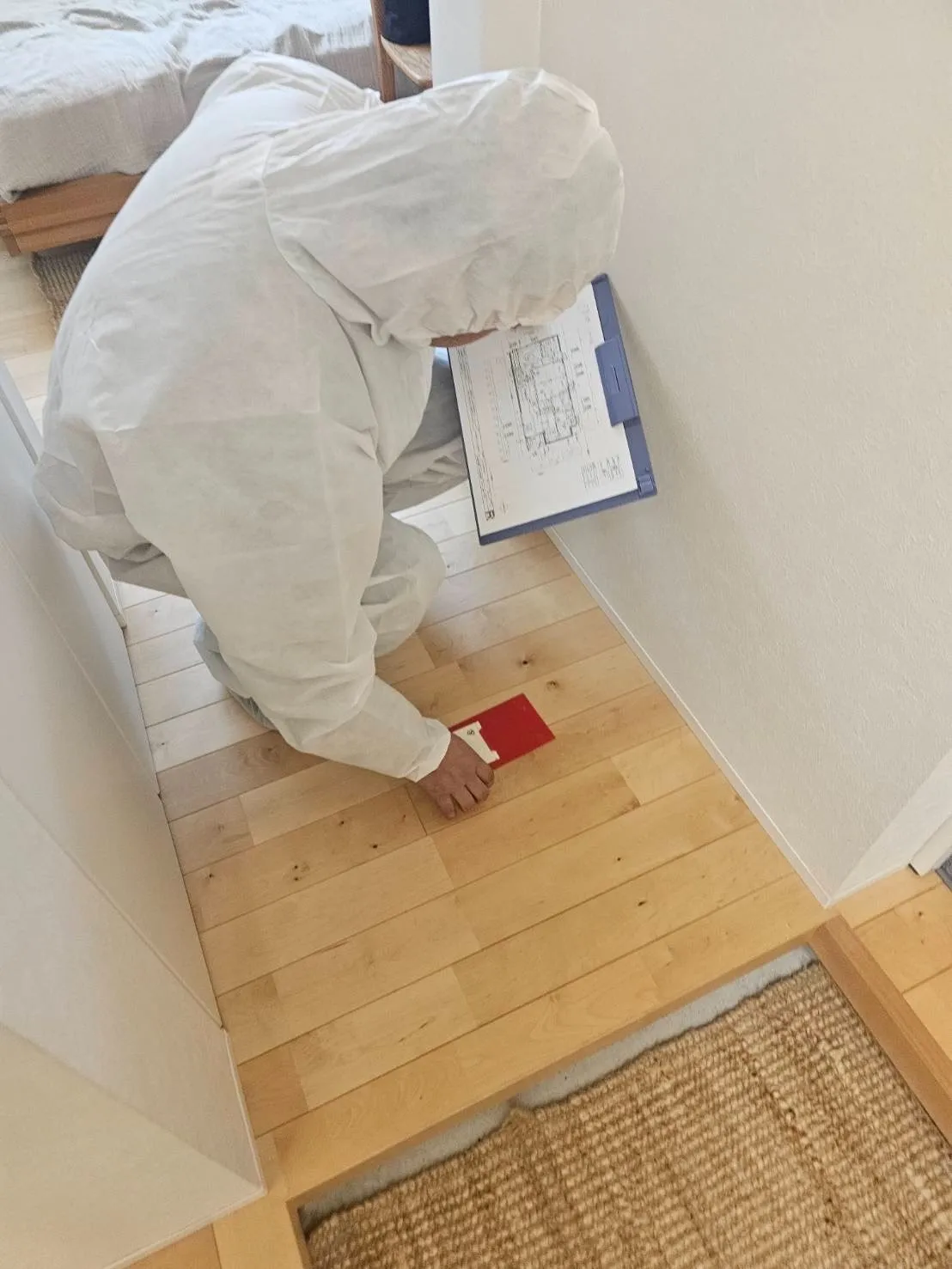
5. Basic Mold Prevention and Control Methods in Minato
Once mold appears, it can be time-consuming to remove and can have serious impacts on both your health and property. That’s why prevention is the most effective strategy. Considering the specific housing conditions and climate of Minato Ward, understanding and practicing basic mold prevention is essential for maintaining a comfortable living environment. This section offers practical, everyday prevention tips and key points to keep mold at bay.
5-1. The Importance of Ventilation, Dehumidification, and Cleaning
The foundation of mold prevention lies in three key habits: proper ventilation, dehumidification, and regular cleaning. Many homes in Minato are built with high airtightness, which limits natural airflow and causes moisture to accumulate. It’s particularly important to ventilate areas like bathrooms and kitchens by using exhaust fans and opening windows after use to release trapped humidity.
Additionally, using a dehumidifier or the dehumidifying function on an air conditioner can help maintain indoor humidity at optimal levels—ideally between 40% and 60%. Exceeding this range creates a favorable environment for mold to grow. It's also essential to regularly clean hard-to-reach areas such as behind furniture or deep in closets. Dust can serve as a nutrient source for mold, so along with daily cleaning, scheduling occasional deep cleanings is highly recommended.
5-2. Managing Condensation and Indoor Humidity
High-rise buildings are common in Minato Ward, many of which are equipped with highly insulated windows and walls. While these features improve energy efficiency, they can also cause condensation. In winter, the temperature difference between indoor and outdoor air often leads to water droplets forming on windows, which can trigger mold growth on frames and wallpaper.
To prevent condensation, it's important to minimize extreme indoor-outdoor temperature differences. Avoid drastically changing room temperatures with heating or cooling systems, and consider leaving windows slightly open at night to allow some airflow. You can also use anti-condensation films or insulating window sheets to reduce heat transfer and prevent moisture buildup.
Monitoring indoor humidity with a hygrometer is another effective strategy. By visualizing moisture levels in numerical form, you can more easily identify when to ventilate or dehumidify your home.
Minato's residential environment is designed for comfort, but it also hides potential mold risks. That’s why taking small, daily precautions plays a crucial role in preventing major mold-related problems in the future.
6. How to Choose a Mold Removal Specialist in Minato
When mold becomes a serious issue, everyday cleaning and store-bought products are no longer sufficient. In high-end homes and commercial spaces in Minato Ward, mold must be removed in a way that preserves both appearance and material integrity. In such cases, hiring a reliable mold removal specialist is essential. However, with so many companies available, many people wonder, “Who should I hire?” This section outlines key points for choosing the right professional and introduces the unique advantages of our company, Kabibusters, and our MIST Method.
6-1. Key Points When Selecting a Mold Removal Company
Here are some important criteria to consider when choosing a mold removal specialist:
1. Experience and Expertise
Choose a company with a proven track record and the ability to handle various building types and materials. A history of successful projects provides reassurance about their capabilities.
2. Safety of Chemicals Used
Ensure that the company uses safe, non-toxic solutions, especially if children, elderly individuals, or pets live in the home. Safety should be the top priority in sensitive environments.
3. Preventive Measures Against Recurrence
It's not enough to just “remove” the mold—check if the company also provides preventive treatments. Companies that offer anti-mold coatings and humidity control strategies are more comprehensive and reliable.
4. Detailed On-site Inspections and Estimates
Trustworthy companies will perform thorough site inspections and provide clear, detailed estimates. Be cautious of companies that offer vague explanations or overly simplistic quotes.
6-2. Features of Kabibusters’ MIST Method
Kabibusters uses a proprietary technique called the “MIST Method®,” which is tailored to the specific mold type, affected materials, and level of damage. This method eliminates mold without damaging the material—no scrubbing or sanding required. It’s suitable for a wide range of surfaces, including wood, fabric, and concrete.
The MIST Method also uses specialized, human-safe agents that have passed industrial wastewater safety tests and other evaluations. This ensures that our services are safe for use in hospitals, daycare centers, nursing homes, and other sensitive environments.
In addition to removal, the MIST Method includes “preventive treatment.” By spraying a mist of anti-mold agent over the treated area, it provides long-term protection against recurrence. This dramatically reduces the overall risk of mold reappearing in indoor environments.
In an area like Minato, where aesthetics and hygiene are equally important, choosing a trustworthy mold removal specialist is the first step toward maintaining a clean, healthy, and high-quality living space.
7. Mold Issues and Countermeasures in Educational Institutions in Minato Ward
In Minato Ward's educational institutions, mold prevention is a critical concern to ensure the health of children and a comfortable learning environment. Japan’s humid climate, along with aging buildings, contributes to the risk of mold growth. This section explores the current situation of mold in schools and other educational facilities in Minato, along with the measures being taken to address it.
7-1. Mold Occurrence in Classrooms and Gymnasiums and Its Effects
Schools in Minato have reported mold growth in classrooms, gymnasiums, and other facilities. In particular, areas with high humidity and poor ventilation tend to develop mold on walls and ceilings. The presence of mold can lead to health issues such as allergies and asthma, which negatively impact students’ ability to concentrate and learn effectively.
In addition to health concerns, mold also accelerates the deterioration of buildings, increasing maintenance and repair costs. Thus, for educational institutions, mold control is vital not only for protecting health but also for managing facility upkeep.
7-2. Ministry of Education Guidelines and MIST Method Implementation
Japan’s Ministry of Education recommends maintaining appropriate temperature and humidity levels, ensuring regular cleaning, and improving ventilation in school facilities to prevent mold. The guidelines also emphasize identifying the root causes of mold and resolving them at the source.
Some educational institutions in Minato Ward have already implemented mold countermeasures based on these guidelines. For example, the introduction of the MIST Method® by professional mold removal companies has enabled safe and effective mold elimination without damaging building materials. The MIST Method also includes preventive treatment using a mist of anti-mold agents that are safe for humans, helping to create a secure and healthy learning environment for children.
8. Mold Problems and Countermeasures in Minato’s Educational Institutions
In Minato Ward’s educational institutions, preventing mold is a key concern for maintaining students' health and a safe, comfortable learning environment. Japan’s humid climate and aging infrastructure contribute significantly to mold growth. This section outlines the current state of mold issues in Minato’s schools and the measures being taken to address them.
8-1. Mold Growth in Classrooms and Gymnasiums and Its Impact
Reports of mold growth have surfaced in classrooms, gymnasiums, and other facilities within schools in Minato. Spaces with high humidity and poor ventilation are especially vulnerable, allowing mold to spread across walls and ceilings. The presence of mold can cause health problems like allergies and asthma, disrupting students' ability to study effectively.
In addition, mold accelerates the deterioration of building materials, leading to increased repair and maintenance costs. For schools, mold control is critical not only for health but also from a facility management standpoint.
8-2. Ministry of Education Guidelines and Implementation of the MIST Method
The Ministry of Education recommends several countermeasures for mold in schools: maintaining proper temperature and humidity, regular cleaning, and ensuring adequate ventilation. It also encourages identifying and addressing the root causes of mold growth.
In response, some educational institutions in Minato have adopted professional mold removal services based on these guidelines. One example is the use of the MIST Method®, which eliminates mold without damaging surfaces and includes a final preventive treatment. The MIST Method uses specialized agents that are safe for humans, contributing to a secure and healthy learning environment for children.
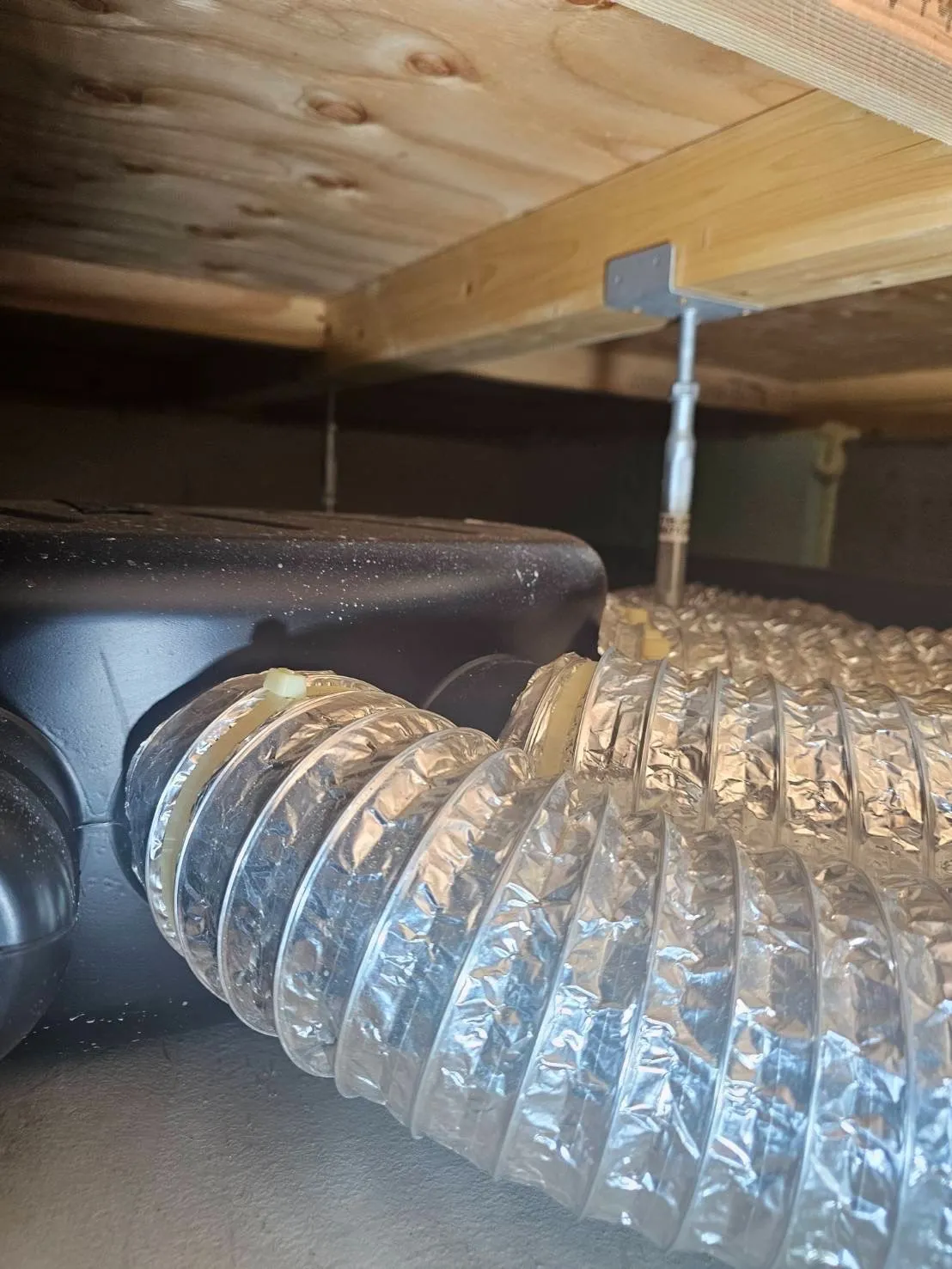
9. Future Outlook and Measures for Mold Problems in Minato
In Minato Ward, addressing mold issues is not just about reacting to current problems—it also involves forward-thinking measures to prevent future outbreaks. As climate conditions evolve and buildings age, proactive strategies for mold prevention are becoming increasingly important. This section outlines future perspectives and effective countermeasures aimed at minimizing mold risks across the ward.
9-1. Preventing Mold During the Building Design Phase
A key trend in mold prevention is addressing the issue at the architectural design stage. By incorporating materials that resist moisture and designing floor plans that encourage natural airflow, the risk of mold growth can be significantly reduced. For example, the use of mold-resistant insulation, moisture-barrier coatings, and proper ventilation systems can help create a home environment that’s both comfortable and mold-resistant from the start.
Architects and construction professionals in Minato are increasingly collaborating with mold prevention specialists to incorporate anti-mold strategies into the design process. This integrated approach ensures that new constructions are more resilient against mold, reducing future maintenance costs and health risks for residents.
9-2. Smart Home Technology for Humidity Control
The rise of smart home technology is providing new solutions for mold prevention. Devices such as smart humidifiers, dehumidifiers, and ventilation systems can automatically monitor and adjust indoor humidity levels to remain within the optimal range. These systems can also alert homeowners when humidity becomes excessive, allowing for timely action.
In Minato Ward, where many residents seek high-quality living environments, smart humidity control systems are becoming more popular, particularly in new condominiums and renovated properties. These technologies not only contribute to comfort and health but also add value to properties by ensuring a mold-free environment over the long term.
With these future-oriented strategies, Minato Ward continues to lead the way in balancing luxury living with healthy indoor environments. Embracing both architectural solutions and cutting-edge technology is key to minimizing mold risks and ensuring lasting protection.
10. Mold Removal Projects and Customer Feedback in Minato Ward
In Minato Ward, where luxury and comfort are expected in both homes and commercial spaces, professional mold removal services are essential for maintaining high-quality living environments. Kabibusters has conducted numerous mold removal projects across Minato, applying our proprietary MIST Method® to achieve outstanding results. This section introduces actual case studies from the area and shares feedback from satisfied customers.
10-1. Real Mold Removal Cases and Their Outcomes
In one notable case, a luxury condominium in Minato experienced mold growth behind wallpaper due to condensation. Our team conducted a thorough inspection and applied the MIST Method to eliminate the mold without damaging the wall materials. The treatment was completed in a single day, and the residents were pleased with both the speed and the effectiveness.
Another case involved a commercial office building where mold had formed around the HVAC system. Given the importance of maintaining a healthy indoor environment for employees, the client prioritized a solution that was both efficient and minimally disruptive. The MIST Method allowed us to safely remove the mold and apply a long-lasting preventive treatment, ensuring the problem would not return.
These examples highlight the flexibility of the MIST Method in adapting to different materials and levels of damage, making it suitable for a wide range of residential and commercial spaces in Minato.
10-2. Customer Feedback and Satisfaction
Customers in Minato have consistently praised the professionalism, responsiveness, and high-quality results delivered by Kabibusters. Many clients expressed relief at finding a mold removal service that not only eliminated the issue but also prevented recurrence through comprehensive treatment.
One customer commented, “I was worried about mold affecting my children’s health, but Kabibusters explained everything clearly and the treatment was completely safe. I now feel at ease living in my home.”
Another client noted, “The team was very courteous and worked quickly. I didn’t expect the results to be so immediate and visible. I highly recommend Kabibusters to anyone dealing with mold.”
By prioritizing both effectiveness and safety, Kabibusters has become a trusted choice for mold removal in Minato Ward. Our MIST Method offers not just removal, but peace of mind.
For Mold Removal and Prevention, Contact Kabibusters Osaka and Kabi-Tori Reform Nagoya & Tokyo
If you are facing mold problems, we highly recommend reaching out to Kabibusters Osaka or Kabi-Tori Reform Nagoya & Tokyo. Our teams use the uniquely developed MIST Method®, which effectively eliminates mold at its source without damaging building materials or surfaces.
The MIST Method® is specially tailored to the type of mold, surface material, and extent of contamination. Unlike traditional methods that rely on scrubbing or sanding, our technique safely removes mold while preserving the integrity and appearance of your property. It is compatible with various materials, including wood, fabric, and concrete.
We use exclusive mold removal agents that are safe for human health, making our services ideal for facilities used by children or the elderly. Furthermore, we go beyond removal by applying a preventive anti-mold treatment that significantly reduces the risk of mold recurrence over time.
Kabibusters Osaka serves a wide area of the Kansai region, providing services to private homes, commercial facilities, medical institutions, and schools. Kabi-Tori Reform Nagoya & Tokyo specializes in mold removal and prevention for residential and commercial buildings in the Tokai and Kanto regions. Our high-quality service and consistent results have earned us the trust of many satisfied customers.
Mold can spread silently and cause serious harm to both your health and your property. Early intervention is essential. We offer free on-site inspections and estimates, so please don’t hesitate to contact Kabibusters Osaka or Kabi-Tori Reform Nagoya & Tokyo for expert assistance.
---------------------------------------------------------------------
カビ取リフォーム
東京営業所
〒141-0022
東京都品川区東五反田2-5-2 YHE CASK GOTANDA6階
電話番号:090-8321-4408
名古屋本社
〒465-0028
愛知県名古屋市名東区猪高台1-1301 タイコウビル1F
電話番号 : 0120-588-766
サイト:https://taikou-kensou.co.jp/
大阪営業所
〒532-0003
大阪府大阪市淀川区宮原1-19-23
電話番号:080-6978-3068
カビバスターズ大阪
https://kabibusters-osaka.com/
【検査機関】
一般社団法人微生物対策協会
https://kabikensa.com/
----------------------------------------------------------------------