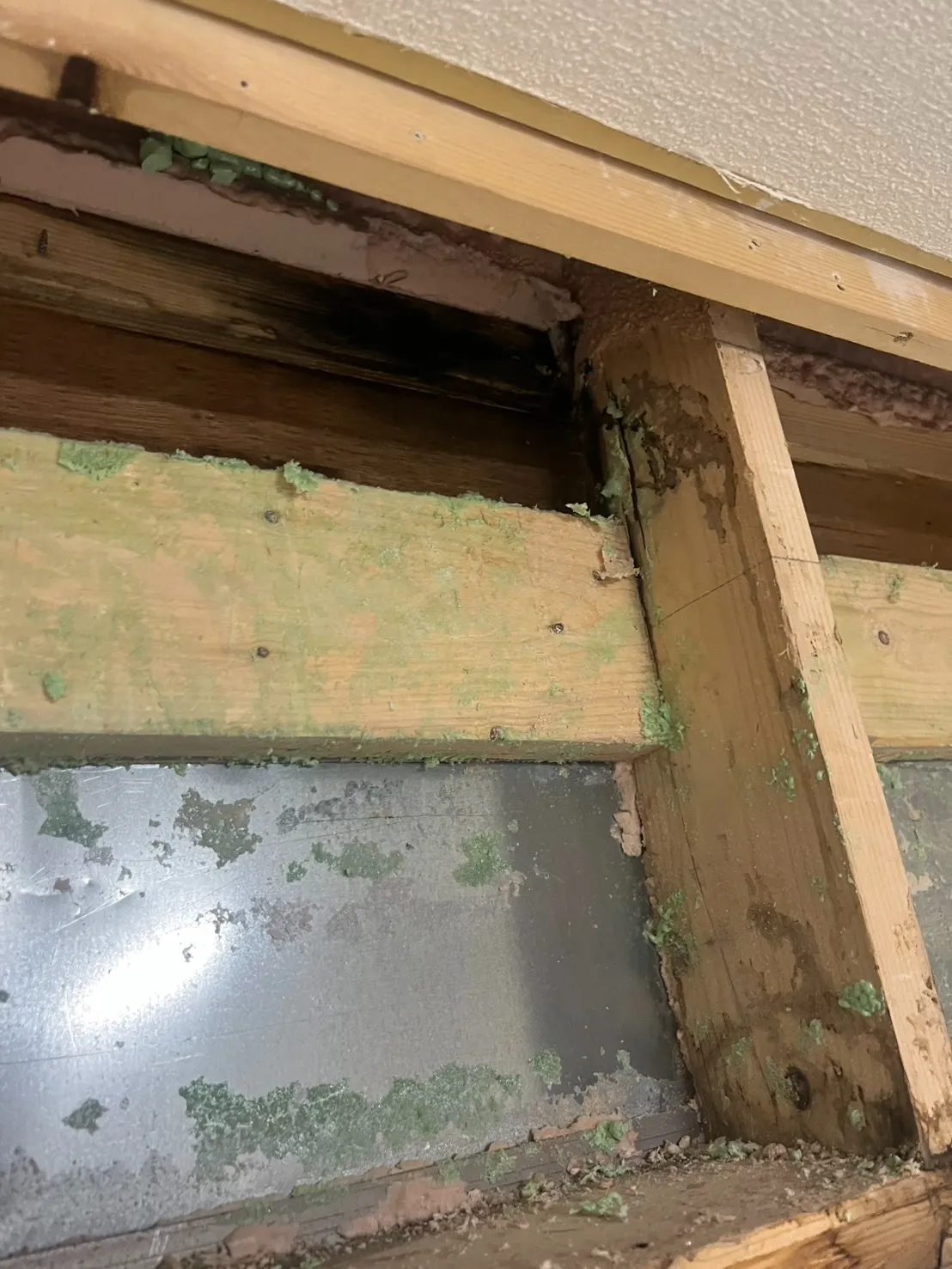
“Essential Solutions for Severe Mold Problems in Tokyo: MIST Method® Mold Removal Reform by Iwashita”
2025/05/29

“Essential Solutions for Severe Mold Problems in Tokyo: MIST Method® Mold Removal Reform by Iwashita”
“Ensuring Safety and Comfort Through Advanced Mold Elimination and Prevention Techniques in Japan’s Capital City”
Hello and welcome to my blog. My name is Iwashita, representing MIST Method® Mold Removal Reform. I truly appreciate that you have chosen to spend your valuable time here, exploring effective ways to address severe mold problems in Tokyo. Whether you live in an older building with years of accumulated dampness or a modern apartment plagued by hidden moisture, mold can be a frustrating and sometimes alarming issue to deal with. Over the years, I have encountered countless cases where homeowners have tried multiple cleaning products or temporary fixes, only to watch mold reappear on walls, ceilings, and even furniture. I understand that persistent mold not only affects the overall appearance of your home but also poses potential health risks, contributing to respiratory issues and allergies. In Tokyo, where the climate can be especially humid during summer—and condensation in winter months can lead to damp interiors—mold can quickly spread out of control if left unchecked. That is why I, along with my team at MIST Method®, am dedicated to investigating root causes rather than merely treating the surface. Our primary focus is on eradicating the conditions that foster mold growth, ensuring your living environment remains free of harmful spores. By reading this blog, you have already taken an important step toward learning about advanced and sustainable mold removal options. My hope is that the information I share here will empower you to make the best decision for your home, your health, and your peace of mind.
Main Blog Content
Welcome to today’s post, where I will introduce how MIST Method® Mold Removal Reform can transform your Tokyo residence into a safer, healthier environment. Living in Japan’s bustling capital has many advantages, but one shared concern is high humidity, which can aggravate mold growth in homes and buildings. Traditional cleaning methods may temporarily clear visible mold, yet the underlying issues—such as trapped moisture within walls or inadequate ventilation—remain.
At MIST Method® Mold Removal Reform, we place great emphasis on identifying and removing the root cause of mold. By using specialized diagnostic equipment, we detect hidden moisture pockets and evaluate airflow patterns that contribute to recurring mold outbreaks. Once the assessment is complete, we apply our cutting-edge MIST technology. Unlike conventional treatments, our system penetrates deep into porous building materials, eliminating both the visible mold and the unseen spores that can reignite an infestation later.
Our approach also prioritizes health and safety. We aim to minimize exposure to harsh chemicals, allowing you and your family to maintain daily routines with minimal disruption. Furthermore, after mold removal is complete, we offer guidance on preventive maintenance—such as improving ventilation, controlling humidity, and selecting the right materials—to protect your home from future mold outbreaks.
If you find yourself overwhelmed by mold problems in Tokyo, rest assured you are not alone. I encourage you to reach out and schedule a consultation with our dedicated team. We are committed to helping you regain your comfort at home, safeguarding both your property and your wellbeing. Through MIST Method®, we believe in achieving a mold-free, vibrant living space where you can breathe easily and confidently every single day.
Thank you for taking the time to read this blog post. Should you have any questions about our services or want to discuss your mold concerns in detail, please do not hesitate to contact us. Our mission is to work hand in hand with you, delivering the safest and most effective mold removal solutions in Tokyo. Let’s tackle this challenge together, one step at a time.
目次
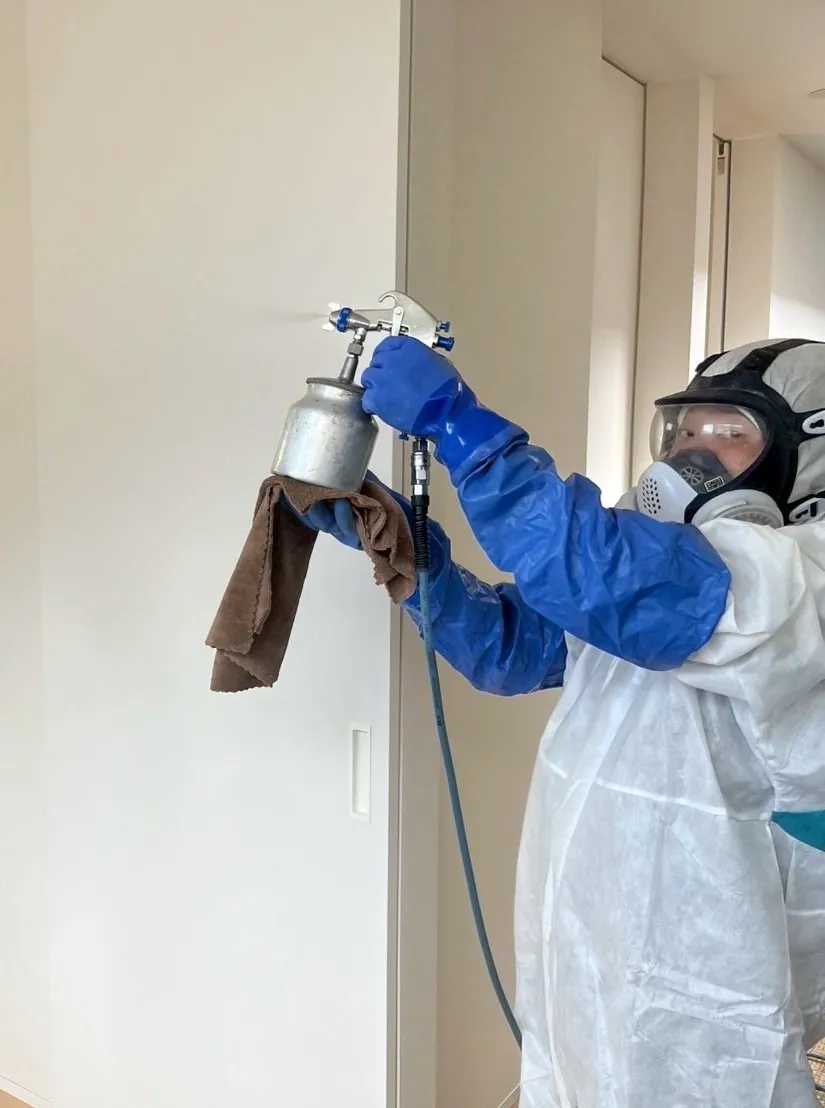
Introduction: Why Mold Is a Growing Concern in Tokyo
“An Evolving Urban Challenge: Understanding the Rise of Mold Issues in Tokyo”
1. Tokyo’s Humid Climate and Seasonal Challenges
Tokyo’s climate is famously diverse, featuring hot, humid summers and cold, sometimes damp winters. This wide range of temperatures creates a perfect environment for mold spores to flourish, especially when combined with the high population density and limited living space that typify much of urban Japan. During the rainy season, moisture levels skyrocket, leaving walls, ceilings, and hidden corners more vulnerable to infestations. Even in winter, the contrast between cold outdoor air and warm indoor heating can lead to condensation on windows and walls, promoting damp conditions where mold quickly takes hold. These seasonal shifts can be particularly harsh on older buildings with inadequate insulation or ventilation systems that were not designed to handle drastic temperature fluctuations. For those living in modern high-rise apartments, the constant use of air conditioning and heating systems can still trap humidity and create micro-environments ideal for mold growth. Moreover, Tokyo’s constant development means that construction sites, building renovations, and the general churn of city life can introduce new spaces for mold spores to settle. Poor ventilation in confined areas like closets, kitchens, or bathrooms exacerbates the issue, as excess moisture rarely finds an escape route. Residents may underestimate the seriousness of mold until they start noticing musty odors, discolored walls, or aggravated allergies. By this stage, the infestation can already be well-established, making thorough professional intervention more critical. Managing Tokyo’s humidity is more than just a matter of comfort; it is a health and safety priority that demands a thoughtful, proactive approach.
2. Common Signs of Mold Damage in Urban Homes
While some signs of mold growth are immediately apparent, such as black or greenish patches on walls and ceilings, mold often thrives in hidden spots. Behind wallpaper, under flooring, inside ventilation ducts—these areas can host colonies that remain invisible until their effects become severe. The first clue for many residents is often a persistent musty odor that lingers even after cleaning and airing out the room. In some cases, people experience allergy-like symptoms, including sneezing, congestion, itchy eyes, or fatigue that mysteriously lessen when they leave home. Even stained or peeling paint can be a red flag, revealing a damp layer underneath where mold is taking root. Another common scenario in Tokyo is discovering mold in bathrooms and kitchens, places where steam and running water create near-ideal conditions for spore proliferation. Overlooked leaks from pipes or air conditioning units can also lead to a gradual buildup of moisture within walls, eventually surfacing as stained plaster or warped wooden structures. Window frames and door tracks can accumulate condensation, forming a breeding ground for mold in tight corners that are rarely cleaned. In the hustle of urban life, it’s easy to ignore or delay addressing these subtle indicators, but failing to take action early can lead to more extensive damage and higher remediation costs. Being vigilant about these telltale signs—and recognizing that mold can spread rapidly if not properly contained—is crucial for maintaining a healthier home environment in Tokyo’s bustling urban settings.
3. The Importance of Professional Mold Management
Effective mold management requires more than just surface-level cleaning; it demands an in-depth approach that identifies and tackles the underlying causes. In Tokyo’s densely packed residential areas, many buildings share walls, ventilation systems, or plumbing lines, making it easier for mold to migrate between spaces. Professional mold specialists are trained to conduct thorough inspections using tools such as moisture meters and thermal imaging to locate hidden growth or water intrusion. They also assess airflow patterns and structural vulnerabilities that could be promoting mold proliferation. One critical advantage of professional intervention is the use of specialized treatments that target spores both on the surface and within porous materials. Quick do-it-yourself fixes often rely on bleach or other household chemicals, which may temporarily remove visible mold but fail to penetrate deeper layers. Over time, spores can regrow and spread, negating any short-term gains. Additionally, experts can recommend modifications to ventilation, insulation, or humidity control devices that help prevent mold from returning. Addressing mold promptly and correctly is not only about safeguarding a home’s structural integrity but also about preserving the health of its occupants. Exposure to mold can exacerbate respiratory issues, cause allergic reactions, and, in prolonged cases, even affect neurological health. By choosing professional management, homeowners and tenants in Tokyo benefit from precise detection, effective eradication, and a proactive plan to keep mold at bay. This holistic approach is essential for maintaining a safe, comfortable living environment in one of the world’s busiest urban centers.
Understanding MIST Method® Mold Removal
“Elevating Mold Remediation: Discover the Advantages of the MIST Method®”
1. What Makes the MIST Method® Unique
The MIST Method® stands out in today’s mold remediation landscape because it tackles infestations at their source rather than just handling surface-level growth. Many people assume that mold removal is a matter of wiping down walls or using a strong cleaning agent, but these approaches often fail to penetrate deeper layers of porous materials, such as drywall and wood, where spores and mycelial structures can linger. The MIST Method® uses specialized detection tools to identify hidden colonies and advanced solutions that permeate even the tightest spaces, ensuring a much more thorough cleansing of the affected areas. Equally important is its emphasis on preventing future outbreaks by stabilizing indoor humidity levels, improving ventilation, and educating homeowners or property managers on moisture control strategies. This proactive stance sets MIST apart from one-off treatments that merely mask visible mold. By focusing on total eradication and environmental adjustments, the MIST Method® significantly reduces the chances of recurrence, ultimately promoting a cleaner, healthier living or working environment. Another key aspect of its uniqueness lies in the level of customization: every building, room, or facility is evaluated independently, taking into account factors like structural materials, local climate conditions, and occupant health concerns. This highly tailored approach ensures that each remediation project aligns with the specific requirements of the space, leading to optimal results. Beyond just a technological advantage, the MIST Method® includes rigorous training for technicians, ensuring they are well-equipped to handle a wide range of scenarios—from small apartments to sprawling commercial complexes. The method’s comprehensive nature reflects a deep understanding of mold’s lifecycle, backed by ongoing research that keeps the process current and effective, even as building materials and environmental conditions evolve over time.
2. Comparing Traditional Mold Treatments vs. MIST
Traditional mold treatments often rely on topical cleaning agents, such as bleach or standard disinfectants, which can remove visible discolorations but typically do not reach deeper into walls, insulation, or wood. This limitation means that while surfaces may appear clean initially, the mold has not been fully eradicated. Over time, residual spores can regenerate colonies, leading to a frustrating cycle of repeated outbreaks. In contrast, the MIST Method® employs a multi-faceted process that begins with a thorough assessment. Using specialized equipment, trained professionals identify the full scope of the infestation—both visible and hidden. Once the extent is established, targeted treatments are applied in a way that penetrates porous materials, neutralizing spores at all levels. This comprehensive approach is more likely to yield long-term results, sparing homeowners from the cost and inconvenience of repeated cleanups. Additionally, where traditional treatments might only address the manifestation of mold, the MIST Method® looks for underlying contributors such as leaks, condensation issues, or structural vulnerabilities. By coupling remediation with source control—be it fixing a pipe, installing better ventilation, or sealing cracks—MIST effectively breaks the cycle of regrowth. Another important difference lies in safety and environmental impact. Traditional products often contain harsh chemicals that can pose health risks for occupants if not handled properly. The MIST Method® emphasizes safer, eco-friendly solutions designed to eliminate mold without leaving behind harmful residues. This forward-thinking approach prioritizes occupant well-being, making it especially suitable for families with children, pets, or individuals with compromised immune systems. Ultimately, when comparing quick, surface-level fixes to the in-depth MIST strategy, the distinction is clear: one focuses on short-term appearance, while the other is designed for long-term peace of mind.
3. Core Principles Behind Our Advanced Technology
The effectiveness of the MIST Method® is rooted in a set of core principles that guide every aspect of its design, application, and follow-up. First among these is a scientific foundation; extensive research into mold biology underpins the choice of solutions and application techniques. Rather than employing a one-size-fits-all chemical, the MIST Method® uses formulas calibrated to address different types of mold, taking into account factors like spore characteristics, growth patterns, and material absorption rates. This scientific rigor ensures that the treatment not only kills active colonies but also disables the spores’ ability to repopulate the area. Equally critical is the principle of thoroughness. Many mold removal solutions on the market promise quick fixes, but they typically scratch only the surface. The MIST Method®, however, invests in detailed inspections supported by modern diagnostic tools, including thermal imaging and moisture meters, to expose less obvious infestations. This attention to hidden growth is essential for delivering comprehensive results and preventing mold from lingering unseen, ready to resurface in the future. Another guiding principle is sustainability, both in the sense of preserving the health of the building’s occupants and minimizing environmental impact. MIST products and procedures focus on using non-toxic, biodegradable compounds whenever possible. This approach protects indoor air quality during and after the remediation process, making it significantly safer for families, pets, and even sensitive electronic equipment. Finally, the MIST Method® incorporates ongoing education and support. Homeowners are provided with guidance on ventilation, humidity control, and routine inspections to maintain the benefits of the treatment. Follow-up consultations ensure that if any sign of mold reappears, it can be addressed swiftly with minimal disruption. By combining scientific insight, comprehensive detection, eco-friendly practices, and proactive aftercare, the MIST Method® elevates mold remediation into a fully integrated solution that stands apart in both efficacy and reliability.
Root Causes of Mold in Tokyo Residences
“Behind the Scenes: Identifying the Key Factors That Trigger Mold Growth in Tokyo Homes”
1. High Humidity, Condensation, and Frequent Rainfall
Tokyo’s climate is characterized by hot, humid summers and a rainy season that brings heavy downpours, creating a perfect breeding ground for mold spores. When indoor air remains warm and moist, condensation often forms on windows, walls, and other surfaces—particularly in rooms with poor insulation. Over time, this moisture seeps into building materials, allowing mold colonies to take root and spread in hidden areas. Additionally, frequent rainfall can exacerbate this issue if water seeps through tiny cracks or crevices in the structure of a home, introducing even more humidity. In many cases, air conditioning units that are not regularly maintained can contribute further to damp conditions, as condensation may build up inside vents or drip pans. This cyclical pattern of high humidity and rainfall, combined with everyday activities like cooking, showering, or drying laundry indoors, heightens the likelihood of mold growth in Tokyo residences. Residents might overlook the significance of controlling humidity levels, assuming that as long as their spaces appear dry, mold is not a concern. However, the root problem often lies in areas that are neither immediately visible nor easily accessible, such as behind wallpaper or underneath flooring. By acknowledging how the city’s climate drives moisture buildup, homeowners can adopt more effective strategies—like using dehumidifiers or improving insulation—to counteract the persistent dampness that fuels mold proliferation.
2. Poor Ventilation in Dense Urban Areas
In a bustling metropolis like Tokyo, efficient use of space is essential, resulting in compact living environments that frequently lack adequate airflow. Buildings are often constructed in close proximity to one another, leaving little room for cross-ventilation. This lack of circulating air traps humidity inside rooms, contributing to mold-friendly conditions even when surfaces appear relatively dry. Kitchens and bathrooms, in particular, tend to accumulate steam and residual moisture; without proper ventilation systems or exhaust fans, these spaces can become prime breeding grounds for mold spores. Over time, even routine activities like cooking or showering release moisture into the air, which remains locked inside due to sealed windows or limited external vents. Furthermore, modern construction techniques sometimes emphasize airtight designs to improve energy efficiency, inadvertently reducing the natural flow of fresh air. This trade-off between insulation and ventilation can lead to a buildup of condensation on windowpanes or walls, paving the way for hidden mold infestations. Another contributing factor is that many residents use air conditioning or heaters year-round, without routinely cleaning filters or ducts. Dust and moisture trapped in poorly maintained HVAC systems can circulate spores throughout the home, spreading mold from one area to another undetected. To combat this issue, Tokyo homeowners can invest in better ventilation solutions, such as exhaust fans or air exchange systems, and make a habit of regularly opening windows whenever weather permits. By introducing even small amounts of fresh air into otherwise enclosed rooms, residents can significantly reduce humidity levels and create less hospitable environments for mold to thrive.
3. Common Structural Weak Points and Indoor Leaks
While humidity and ventilation problems are key contributors to mold growth, structural vulnerabilities can accelerate the spread of mold by allowing water to enter a home’s interior spaces. Cracks in walls, poorly sealed windows, or gaps around doors can let rainwater and moisture seep in over time, gradually compromising the integrity of building materials. Once water infiltrates wooden beams, drywall, or insulation, it creates a damp, enclosed environment where mold spores can settle and expand. Older buildings, which abound in Tokyo’s historic districts, may be particularly susceptible to such issues if they have not been updated with modern weatherproofing techniques. Even relatively new constructions can develop weak points if proper care was not taken during the building process, or if subsequent renovations introduced gaps in seals and joints. Indoor leaks, such as dripping pipes behind walls or under sinks, can be equally detrimental. They often go unnoticed for long periods, allowing mold to flourish in hidden cavities. Homeowners might only detect the problem once they notice musty odors, discolored patches, or peeling wallpaper. By that time, the mold might already be deeply embedded, necessitating more extensive remediation efforts. Addressing these structural challenges typically involves both detection and repair—using advanced tools like moisture meters and thermal imaging to find concealed leaks, then fixing them at the source. Installing water-resistant barriers, re-caulking windows, or upgrading insulation materials can further shield against unwanted moisture. Regular inspections, especially after heavy rainfall or storms, can help catch minor leaks before they escalate into major mold outbreaks. In this way, proactively maintaining the home’s physical integrity goes hand in hand with maintaining a healthy indoor environment.

Health and Safety Risks Associated with Mold
“Safeguarding Your Well-Being: Understanding the Dangers of Mold Exposure”
1. Respiratory Issues and Allergic Reactions
Mold spores can significantly impact respiratory health, particularly in environments where dampness persists and ventilation is poor. One of the earliest signs of mold-related distress often shows up as allergy-like symptoms, including sneezing, runny nose, itchy eyes, and coughing. For those with pre-existing conditions such as asthma or chronic obstructive pulmonary disease (COPD), exposure to mold spores may exacerbate breathing difficulties, leading to more frequent attacks and heightened discomfort. These microscopic particles can travel easily through the air, clinging to dust or settling on various surfaces, making it easy for individuals to inhale them without realizing the potential health consequences. Over time, repeated exposure may sensitize people to mold, causing reactions to worsen with each encounter. In some cases, mild symptoms can escalate to persistent respiratory infections, including sinusitis or bronchitis, creating a cycle of poor health that becomes harder to break. Children and the elderly are often the most vulnerable due to developing or weakened immune systems, while individuals with allergies or compromised immunity can suffer chronic inflammation that undermines their quality of life. Proper mold remediation and ongoing air quality checks, combined with steps like using dehumidifiers and maintaining good ventilation, can help reduce the concentration of spores and mitigate these immediate health risks.
2. Potential Long-Term Complications for Families
While the short-term effects of mold can be unsettling, the long-term complications can be even more concerning, particularly for families who share the same living space. Continuous exposure to mold spores has been linked to a range of health challenges that extend well beyond common respiratory issues. Some research suggests that recurring exposure may lead to the development of new allergies in adults or prolong existing allergic sensitivities in children, amplifying the intensity of their reactions over time. Moreover, individuals who regularly inhale high concentrations of mold could experience chronic fatigue, headaches, and even mood disturbances, although the exact pathways linking mold exposure to such symptoms are still being studied. For younger family members, mold’s long-lasting influence on immune system development can set the stage for lifelong sensitivities or increased vulnerability to other environmental triggers. Even older homes that appear outwardly clean can harbor hidden colonies behind walls or under floors, creating a continual source of airborne contaminants. These conditions can interfere with school attendance and performance for children and worsen the productivity and well-being of adult family members. By ignoring or downplaying the presence of mold, households risk compounding health complications that are both challenging and costly to manage. Recognizing the broader impact on an entire family unit underscores the urgency of proactive mold detection, professional remediation, and long-term prevention strategies to ensure that everyone enjoys a healthier home environment.
3. Why Early Detection and Removal Are Critical
Identifying mold growth in its early stages can significantly reduce both the health risks and financial burdens associated with remediation. Often, mold remains hidden behind walls or under flooring, allowing it to spread silently for weeks or even months. During this period, family members may experience unexplained symptoms—such as fatigue, throat irritation, or skin rashes—without realizing that mold is the underlying culprit. Early detection not only averts the escalation of these health problems but also saves money by preventing more extensive property damage. The longer mold is allowed to thrive, the deeper it infiltrates structural materials, leading to potential complications like compromised insulation and weakened support beams. When mold colonizes in multiple areas of a home, professional intervention becomes increasingly complex and disruptive, often requiring major reconstruction or prolonged treatment. Prompt action, guided by qualified professionals, ensures that the source of moisture is addressed and that affected zones are thoroughly cleaned, sealed, or replaced as needed. This approach stops the spread of spores and protects uncontaminated areas from future outbreaks. Additionally, early intervention allows homeowners to implement preventive measures—such as improved ventilation systems, dehumidifiers, or timely repairs—making it less likely for mold to return. Ultimately, a vigilant attitude toward even minor signs of mold can make a crucial difference in maintaining a safe, comfortable living space for everyone in the household.
Step-by-Step: The MIST Method® Removal Process
“A Closer Look at the MIST Method®: From Diagnosis to Ongoing Prevention”
1. Inspection and Moisture Detection Techniques
One of the most critical steps in the MIST Method® is accurately pinpointing areas affected by mold and identifying the underlying causes of moisture. Trained professionals begin by conducting a comprehensive visual survey, carefully examining walls, ceilings, floors, and less obvious places like crawl spaces and ventilation ducts. However, a simple glance is rarely enough in situations where mold may be lurking behind surfaces or within porous materials. To tackle such hidden threats, technicians use specialized instruments—including moisture meters and thermal imaging cameras—to detect temperature variations and humidity pockets that can indicate concealed mold growth. By measuring relative humidity levels, identifying hotspots, and inspecting the building’s structural integrity, the team can create a precise map of where remediation efforts should be concentrated. This diagnostic approach not only helps them address the immediate mold issue but also uncovers possible sources of water intrusion, such as leaky pipes, roof leaks, or inadequate insulation. With this information, the MIST Method® ensures that remediation targets both visible colonies and the root causes of mold, reducing the likelihood of re-infestation. Moreover, this thorough inspection phase sets the stage for transparent communication with homeowners, allowing them to understand the scope of the problem and feel confident about the proposed solution.
2. Comprehensive Elimination of Visible and Hidden Spores
After the inspection phase, the next step involves a meticulous removal process that aims to eradicate mold spores at every level. Traditional cleaning methods might remove surface mold, but these methods often fall short when it comes to penetrating deeper layers of drywall, wood, or insulation. By contrast, the MIST Method® employs specialized equipment designed to disperse treatment agents in fine particles, reaching both visible colonies and mold that resides beneath the surface. This thorough approach targets the entire mold organism, including its roots (mycelium), which can extend far beyond what the naked eye can see. Moreover, the process involves carefully isolating the affected area to prevent spores from traveling through the air and spreading to other parts of the building. Negative air pressure machines, containment barriers, and high-efficiency particulate air (HEPA) filters all play a role in capturing airborne spores and minimizing cross-contamination. Simultaneously, the remediation team removes heavily damaged materials that are beyond salvage, such as crumbling drywall or rotted wooden beams, disposing of them according to safety guidelines to prevent further spore release. By undertaking these measures, the MIST Method® ensures that even the most stubborn mold problems are addressed comprehensively, leaving behind a cleaner, healthier environment.
3. Safe, Eco-Friendly Chemicals and Protocols
Safety for both occupants and the environment is a guiding principle of the MIST Method®. Rather than relying on harsh chemicals that may pose health risks or leave behind toxic residues, the system favors eco-friendly solutions specially formulated to neutralize mold without jeopardizing indoor air quality. Technicians apply these agents using methods that maximize coverage while minimizing exposure—often through controlled aerosolization that distributes the treatment more evenly and deeply than mere surface spraying. Equally important, protective protocols safeguard technicians and residents alike. For instance, professionals typically wear personal protective equipment (PPE) such as gloves, goggles, and respirators to avoid inhaling or coming into direct contact with potentially harmful spores. If the remediation takes place in occupied spaces, temporary relocation might be advised, depending on the extent of the infestation and the intensity of the treatment. The team also employs containment barriers to isolate work zones, preventing chemical overspray and stopping spores from migrating to unaffected rooms. By choosing green chemistry and following strict safety measures, the MIST Method® not only eradicates existing mold but also helps maintain a healthier overall environment, reflecting a commitment to long-term well-being and ecological responsibility.
4. Final Verification and Prevention Measures
Upon completing the initial remediation, the MIST Method® emphasizes verification to ensure success and prevent mold from making a comeback. This phase often begins with a follow-up inspection, using the same moisture detection and monitoring tools employed in the first stage. Technicians check previously treated areas to confirm that moisture levels have returned to a healthy range and that no visible signs of mold remain. Air sampling or surface swab tests may also be conducted, providing scientific validation that spore counts are significantly reduced or eliminated. However, effective mold management does not end with clearing the existing infestation. Long-term prevention strategies are equally critical. Homeowners are advised on best practices to sustain low humidity levels, such as using dehumidifiers, ensuring sufficient airflow through fans or open windows, and promptly fixing any leaks or water damage. In some cases, improving insulation or upgrading ventilation systems can offer substantial protection against future mold problems. The goal is to tackle the root causes of excess moisture and encourage continuous monitoring so that potential issues can be addressed swiftly. By combining thorough verification with practical preventive measures, the MIST Method® offers a complete solution that fosters a healthier indoor environment well into the future.
Preventing Mold Recurrence
“Building a Mold-Free Future: Practical Approaches for Lasting Results”
1. Practical Tips to Reduce Indoor Humidity
Reducing indoor humidity is one of the most effective strategies for preventing mold from reappearing. Simple steps such as promptly wiping down bathroom walls and floors after showers, fixing leaks, and drying wet towels or clothes in well-ventilated areas can make a significant difference. Investing in a high-quality dehumidifier can also be beneficial, especially during the rainy season or in climates with naturally high moisture levels. Some homeowners place these units in high-humidity areas—like basements, bathrooms, and kitchens—to maintain consistently lower humidity. Additionally, paying attention to temperature fluctuations helps minimize condensation, so adjusting thermostat settings in winter and using air conditioning properly in summer keeps humidity in check. Another overlooked but useful approach is to avoid over-watering houseplants, as excess moisture can accumulate in pots and spill into the surrounding area. Even small leaks under sinks, behind washing machines, or in air conditioning units should be fixed immediately, as these minor drips often create hidden breeding grounds for mold. By taking these straightforward precautions to manage moisture, you create an environment that mold spores find less hospitable, ultimately reducing the risk of re-infestation.
2. Effective Ventilation Solutions in Compact Spaces
In dense urban settings or smaller homes, limited space can make proper ventilation a challenge. Nonetheless, adequate airflow is vital for controlling humidity and preventing mold from forming behind walls or in tight corners. One strategy involves installing exhaust fans in key areas like bathrooms and kitchens. These fans remove steam and odors, expelling moisture-laden air before it has a chance to condense on cooler surfaces. If adding permanent fixtures is not an option, consider using window fans or strategically placed standing fans to circulate fresh air and disperse humidity. Some residents also open windows for short periods—particularly after cooking or showering—to allow trapped moisture to escape. Even in compact homes, rethinking furniture placement can foster better airflow; for instance, leaving a small gap between large furniture pieces and walls discourages trapped moisture in hard-to-reach spots. For air conditioning or heating systems, regular filter cleaning ensures efficient airflow and helps remove microscopic mold spores. These solutions, though seemingly modest, can substantially improve indoor air quality by balancing humidity and preventing the accumulation of stagnant air where mold could thrive unseen.
3. Maintenance Schedules and Follow-Up Services
Long-term mold prevention often depends on setting up a reliable maintenance schedule that addresses potential problems before they escalate. Routine checks—whether monthly, quarterly, or seasonally—can help you spot early warning signs like small water stains, peeling paint, or musty odors that may indicate hidden moisture or budding mold colonies. Homeowners might also schedule professional inspections periodically, especially if the property has a history of leaks or is situated in a high-humidity environment. Professional services can detect subtle shifts in humidity levels or structural vulnerabilities with specialized tools, offering recommendations tailored to each home’s unique conditions. In addition, many mold remediation companies provide follow-up services designed to ensure mold does not reappear after initial treatment. This might include humidity monitoring, reapplication of preventive treatments, and guidance on daily habits that minimize dampness. Establishing a clear plan for consistent upkeep and collaborating with qualified experts when necessary can make all the difference in creating a safe, mold-free living environment that endures. By integrating these proactive measures into your routine, you safeguard both the longevity of your property and the health of its occupants.
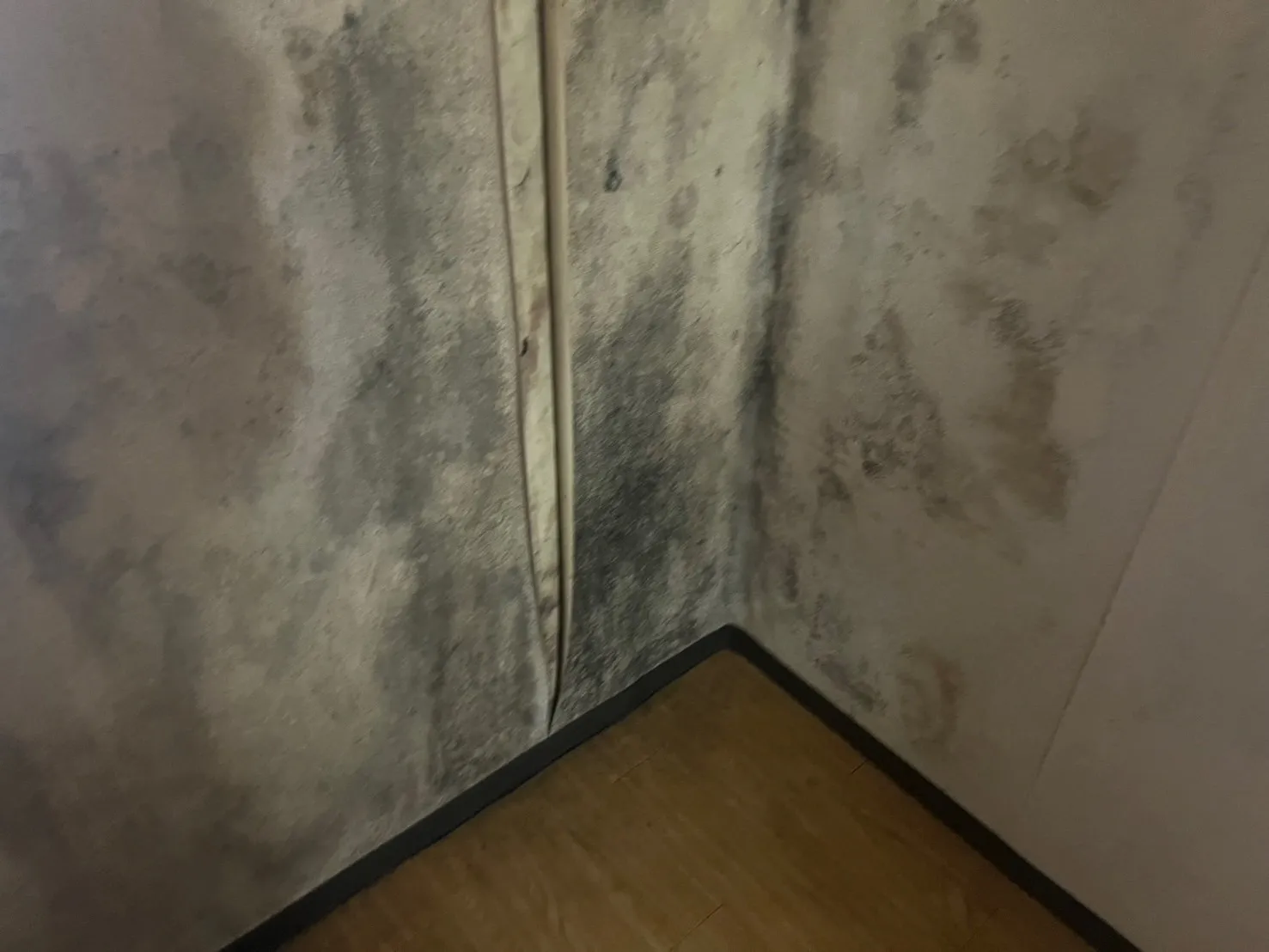
Real-World Success Stories
“From Homes to Workspaces: Real-World Achievements of the MIST Method®”
1. Case Study: A Tokyo Apartment’s Transformation
One of the most striking examples of the MIST Method® in action comes from a modest Tokyo apartment that suffered from persistent mold issues. The occupant repeatedly wiped away visible patches, but the problem always crept back, accompanied by a musty odor and worsening allergies. Upon inspection, the MIST team discovered hidden mold colonies thriving behind wallpaper and inside ceiling panels, fueled by a slow plumbing leak. Using specialized detection equipment, they identified moisture hotspots and traced the underlying water intrusion. Once repairs were made, a thorough MIST treatment eradicated the spores both on the surface and deep within porous materials. Afterward, the living space was meticulously sealed and ventilated, resulting in not only a visibly cleaner interior but also a noticeable improvement in the occupant’s respiratory health. This transformation underscores how a targeted approach, backed by advanced diagnostics, can restore comfort and safety to even the most challenging residential settings.
2. Commercial Spaces and Office Buildings
Mold problems are not confined to residential properties; they can severely impact business operations and employee well-being. In one notable instance, a Tokyo-based finance company noticed an unusual odor pervading its open-plan office. Employees began complaining of headaches, itchy eyes, and frequent respiratory issues. Recognizing the potential impact on productivity and morale, management commissioned a MIST Method® inspection. The team discovered mold colonies concealed in the ceiling’s HVAC ducts and along window frames where condensation gathered daily. By installing containment barriers, the technicians carried out a comprehensive cleanup, using specialized treatments to eliminate spores inside air vents and behind ceiling panels. With the mold fully removed and the ductwork improved for better airflow, absenteeism dropped, and staff reported feeling healthier within just a few weeks. This example illustrates how timely, professional intervention can protect both a company’s bottom line and the well-being of its workforce.
3. Customer Testimonials and Results
True validation of the MIST Method® lies in the positive feedback from clients who experience a substantial improvement in their indoor environment. Some comment on the immediate relief from allergy symptoms, highlighting clearer sinuses, reduced coughing, and the disappearance of lingering odors. Others focus on the enduring peace of mind that comes with knowing moisture intrusions have been addressed at the source. From families in newly constructed apartments to owners of decades-old homes, customers praise the method’s emphasis on safety and thoroughness. Several mention that ongoing follow-up services—such as periodic inspections and advice on controlling humidity—help maintain a mold-free space long after the initial treatment. Such testimonials affirm that by choosing a comprehensive, research-backed approach, homeowners and businesses can resolve mold challenges for the long term, fostering a healthier and more comfortable environment.
Choosing the Right Mold Removal Professional
“Finding True Expertise: Key Factors for Selecting the Best Mold Remediation Provider”
1. Credentials, Experience, and Equipment
Hiring a mold remediation professional is not simply about picking the first service you come across; the caliber of their credentials, the depth of their experience, and the quality of their equipment can make all the difference. Legitimate companies usually hold recognized certifications or licenses that confirm they’ve received proper training in mold removal, safety protocols, and industry best practices. These certifications might come from reputable organizations that specialize in environmental health or indoor air quality, ensuring that technicians are up to date on the latest scientific findings and methodologies. Yet paperwork alone is not enough. It’s also essential to look into a professional’s practical experience—the number of years they’ve been actively tackling mold problems similar to yours. Seasoned specialists have often encountered a wide range of scenarios, from small apartment bathrooms to large commercial basements, and they bring this depth of knowledge to their approach. Meanwhile, advanced tools like thermal imaging cameras, moisture meters, and industrial-grade air scrubbers can provide greater accuracy in pinpointing mold hotspots and purifying the air. When these elements converge—relevant credentials, real-world experience, and cutting-edge equipment—clients can expect a more precise diagnosis, a safer remediation process, and a higher likelihood of long-term success in preventing mold from returning.
2. Evaluating Service Guarantees and Contracts
A reliable mold remediation provider should be transparent about their scope of work, timeline, and costs, offering clear terms that protect both parties involved. This is where service guarantees and thorough contracts come into play. In some cases, a company may promise to revisit and address any persistent or recurring mold issues within a specified time frame, which can offer peace of mind to homeowners. However, it’s crucial to read the fine print. Some guarantees only cover specific areas or conditions, and homeowners might need to meet certain requirements—such as maintaining indoor humidity below a certain level—to keep the agreement valid. Beyond guarantees, a comprehensive contract should detail exactly what steps will be taken before, during, and after remediation. This documentation might include a breakdown of the inspection process, a description of the products being used, any necessary containment procedures, and safety measures to protect residents. Just as importantly, contracts should spell out all costs, including potential fees for unexpected contingencies like additional demolition or structural repairs. By carefully reviewing these documents and asking questions upfront, clients can better understand what they are signing and avoid surprises later. A well-structured guarantee or contract not only reflects a company’s confidence in its own methods but also establishes a transparent framework that fosters trust.
3. Comparing Costs vs. Long-Term Savings
When deciding on a mold remediation professional, cost often becomes a pivotal factor. However, it’s essential to weigh immediate expenses against the long-term benefits—and potential risks—associated with mold treatment. Opting for the cheapest service might save money initially, but if the work is subpar and mold resurfaces months later, you could end up paying far more for repeated treatments or even repairs to address damage caused by a persistent infestation. On the other hand, investing in a reputable provider with higher upfront fees might lead to more thorough remediation, reducing the likelihood of recurring mold problems and additional expenses over time. Beyond the financial angle, inadequate mold removal can carry hidden health costs, affecting the well-being of you and your family. Chronic exposure to mold can contribute to respiratory issues, fatigue, or allergic reactions that impact daily life. By choosing a quality-focused approach from the start, you may prevent these complications and preserve the value of your property. Ultimately, striking the right balance between reasonable pricing and reliable service is crucial. Requesting multiple quotes, reading customer reviews, and verifying a company’s track record can help you make an informed choice that safeguards both your budget and your long-term peace of mind.
Frequently Asked Questions (FAQ)
“Answers to Common Concerns: Clarifying Mold Issues and MIST Method® Solutions”
1. How Do I Know If My Home Is Infested with Mold?
One of the earliest indicators of a mold problem is often a musty or earthy smell that seems to linger no matter how much you clean or air out the space. You might also notice visible patches of discoloration—black, green, or even white spots—on walls, ceilings, carpets, or furniture. However, mold doesn’t always make a grand appearance; it can hide behind wallpaper, under flooring, or within HVAC ducts, staying out of sight while continuing to spread. Some residents first detect an issue through unexplained health symptoms, such as recurring allergies, headaches, or persistent respiratory problems that subside when they leave home. Inspecting potential moisture sources is also crucial—leaky pipes, high humidity, or insufficient ventilation can all create conditions ripe for mold growth. If you suspect an infestation, it’s best to consult with a professional who can conduct a thorough inspection using tools like moisture meters and thermal imaging devices. These methods help identify hidden colonies early, preventing more extensive damage and alleviating health concerns before they escalate.
2. Is It Safe to Stay Home During Mold Treatment?
Safety during mold remediation depends on the severity of the infestation, the techniques used, and the overall health of the occupants. In many cases, especially smaller-scale treatments, staying in a different part of the home while work is underway can be perfectly fine if containment barriers and proper ventilation are in place. The MIST Method® often involves eco-friendly solutions designed to minimize harsh chemicals, so the toxicity level is relatively low compared to traditional mold removal products. That said, if you or a family member has respiratory issues, severe allergies, or a compromised immune system, your mold specialist may recommend temporarily vacating the premises as a precaution. This helps limit exposure to airborne spores and any aerosols used during the process. Additionally, large-scale projects that require demolition or involve extensive colonies may generate dust and debris, making it more comfortable and safer to relocate until the area is cleared. Ultimately, it’s best to discuss your individual situation with the remediation team so they can advise on the ideal approach, ensuring both effective mold removal and the well-being of everyone in your household.
3. How Long Does a MIST Method® Treatment Take?
The duration of a MIST Method® treatment depends largely on the scope and complexity of the infestation. A smaller job—like treating a confined bathroom corner with minor visible mold—may be completed in just one or two days, including both the inspection and the actual remediation process. More extensive cases, such as multiple affected rooms or mold that has spread behind walls or under flooring, will naturally require more time. In these situations, technicians need to conduct thorough inspections, set up proper containment, remove contaminated materials, and possibly perform structural repairs before administering the MIST treatment itself. Additionally, any necessary drying or dehumidifying steps can extend the total timeframe, as waiting for materials to reach safe moisture levels is crucial for preventing future mold growth. Once the main work is done, a final check or post-treatment testing may also be performed, further influencing the schedule. Throughout the process, professional mold specialists aim to minimize disruption while ensuring that each stage is completed effectively, giving you long-lasting results that help maintain a healthier, mold-free environment.

Conclusion: Secure Your Home and Health Today
“Committing to a Mold-Free Future: A Final Word on Proactive Protection”
1. Recap of the Key Points for Mold Remediation in Tokyo
Tokyo’s unique climate—with its humid summers, fluctuating seasonal temperatures, and dense urban layout—creates prime conditions for mold growth. Throughout this guide, we’ve explored how high humidity, poor ventilation, and hidden structural leaks can allow mold colonies to thrive undetected. We’ve highlighted the health risks associated with prolonged exposure, from respiratory issues to potential long-term complications affecting families. Additionally, we’ve seen that early detection is crucial, as mold infestations can escalate quickly if left unchecked. When it comes to choosing a remedy, the MIST Method® stands out as a comprehensive solution. It begins with a meticulous inspection, followed by a deep-level remediation process that targets spores beneath the surface, rather than focusing solely on visible mold. From residential apartments to office buildings, we’ve examined real-world scenarios where this approach has transformed problematic interiors into healthy, comfortable environments. Ultimately, staying proactive—whether through regular maintenance, improved ventilation, or periodic professional inspections—is the key to safeguarding your living space from future outbreaks.
2. Why MIST Method® Is Your Best Defense Against Mold
The MIST Method® offers a strategic, science-backed framework designed to address the multifaceted nature of mold infestations. Unlike conventional methods that may rely heavily on surface cleaning or harsh chemicals, MIST targets the core issues, deploying advanced diagnostics and treatments that penetrate deep into walls, ceilings, and other porous materials. This thorough approach ensures that even deeply embedded spores and mycelial structures are eradicated, minimizing the chance of regrowth. Another advantage is the method’s emphasis on eco-friendly solutions, which reduce potential harm to both residents and the environment. The MIST Method® also incorporates robust safety measures, such as containment barriers and high-efficiency filters, to protect unaffected areas and maintain indoor air quality during remediation. Beyond simply eliminating mold, it promotes lasting prevention by educating homeowners about moisture control, ventilation improvements, and regular upkeep. By treating the causes as well as the symptoms, the MIST Method® provides not just a short-term fix, but a sustainable line of defense against recurring mold problems.
3. Taking the Next Step: Request a Consultation
Now that you have a clear understanding of mold’s root causes and the benefits of the MIST Method®, the final step is taking action. Whether you’ve noticed telltale signs like musty odors, visible patches of mold, or unexplained health symptoms, a professional assessment can illuminate the extent of any potential infestation and recommend a tailored solution. During your consultation, experts will use advanced tools to pinpoint hidden moisture pockets, discuss practical steps for moisture management, and outline a transparent plan for removing mold at its source. Even if you’re currently free of mold problems, proactive evaluations can serve as a preventive measure, catching minor issues before they develop into costly, disruptive infestations. By scheduling a consultation, you invest in both the longevity of your property and the well-being of everyone who lives or works there. Ultimately, a phone call or online inquiry today could mean peace of mind for years to come, ensuring a healthy, mold-free environment for you and your loved ones.
Contact Information
“Connect with Our Team: Your Direct Path to Mold-Free Living”
How to Reach Iwashita and the MIST Method® Mold Removal Team
Getting in touch with the professionals at MIST Method® Mold Removal is straightforward and designed to suit different communication preferences. For those who value personal interaction, a phone call remains the quickest way to discuss urgent concerns, ask immediate questions, or set up an appointment. Alternatively, email inquiries can be especially helpful when you need to provide detailed information, such as photographs of affected areas or summaries of previous mold-related issues. This allows our team to review your situation thoroughly before responding with a tailored plan of action. Additionally, we maintain an online form on our official website, which guides you through key questions about the nature of your mold problems. By including specifics like the size of the space or the duration of suspected infestation, you help us gain a better grasp of your unique circumstances. Whether you prefer phone, email, or a digital form, rest assured that each inquiry is handled with professionalism, confidentiality, and a sense of urgency, ensuring that you receive reliable guidance in a timely manner. We also encourage prospective clients to follow us on social media, where we regularly post tips for preventing mold, updates on our latest technologies, and success stories from real customers. Regardless of the channel you choose, our commitment is to offer clear, supportive communication that empowers you to take the next steps with confidence.
Scheduling an On-Site Assessment and Consultation
Arranging an on-site assessment is the most effective way for us to accurately gauge the extent of any mold issue and recommend the right remediation strategy. When you reach out, our team will work with you to find a convenient time for a comprehensive inspection of your property. This visit typically includes a thorough examination of common mold-prone areas—such as bathrooms, kitchens, basements, or attic spaces—as well as hidden spots that might be harboring moisture. Using specialized tools like moisture meters and thermal imaging cameras, we identify where mold is most likely to thrive and examine any structural vulnerabilities. We also encourage homeowners and building managers to voice their concerns during this visit, whether it’s about recurring odors, unexplained health symptoms, or historical water damage. After the inspection, we provide a transparent report detailing our findings and outline the recommended steps. This plan covers everything from the specific MIST Method® treatment that best suits your situation to guidance on moisture control and future preventive measures. You’ll have the chance to ask questions, discuss timeframes, and consider any budgetary constraints before deciding how to proceed. Our aim is to help you feel fully informed and supported, knowing that the final decision rests in your hands. Scheduling an on-site assessment is not just a formal step—it’s a proactive measure that places you on a clear path toward a safer, healthier indoor environment.
---------------------------------------------------------------------
カビ取リフォーム
東京営業所
〒141-0022
東京都品川区東五反田2-5-2 YHE CASK GOTANDA6階
電話番号:090-8321-4408
名古屋本社
〒465-0028
愛知県名古屋市名東区猪高台1-1301 タイコウビル1F
電話番号 : 0120-588-766
サイト:https://taikou-kensou.co.jp/
大阪営業所
〒532-0003
大阪府大阪市淀川区宮原1-19-23
電話番号:080-6978-3068
カビバスターズ大阪
https://kabibusters-osaka.com/
【検査機関】
一般社団法人微生物対策協会
https://kabikensa.com/
----------------------------------------------------------------------